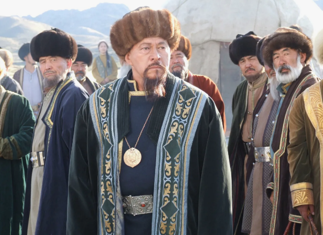
Headdresses – «takiya», «tymak» and the culture of wearing «kalpak»
Traditional headdresses acquired national significance from the 15th century, when the Kazakh Khanate was founded. After all, people used to be able to tell by their headdresses what kind of people they were and what their level of income was. Depending on the shape and tailoring, they are divided into several types: “air kalpak”, “borik”, “kamshatborik”, “golden berik”, “kalmarzhanberik”, “tymak”, “kulapara”, “saukele”, “takiya”, “kasaba”, “zhaulyk”, “kundik”, “kimeshek”, “karkara”.
Takiya (skullcap) – height 10-15 cm. A girl’s headdress decorated with eagle owl feathers. The edge is carved and covered with various precious stones. Takiya is also considered a lightweight men's headdress. There are many types of takiya depending on the tailoring: flat top, high skullcap and pointed top. Beads and other decorations are not sewn onto men's skullcaps. Instead, they are embroidered with such traditional zoomorphic and plant patterns as “muyiz”, “at yerin”, and “shyrmauyk”.
Tymak is a winter men's hat. It is made from the skin of domestic and wild animals. The hat consists of a crown and four large wedges, made of felt and skin, covered with fabric. The neck and ear wedges of the “tymak” were lined with fluffy fur, the wide brim protected the neck and shoulders to protect against cold and bad weather.