Zhety ata - seven ancestors
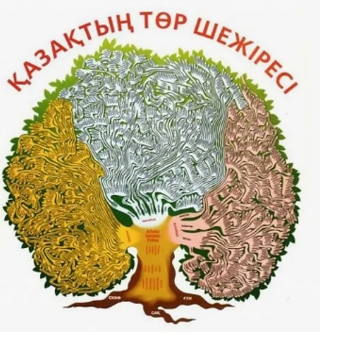
Zhety ata, "Seven fathers"; another meaning is "Seven ancestors"; also there is a variant spelling "Zhety ata") is a system of compiling genealogies (shezhire) among Kazakhs. The principle of "Zhety ata" implied the obligation to know the names of one's ancestors in the male line up to the seventh knee. Relatives up to the seventh tribe were considered close and were collectively responsible for each other; marriages between them were forbidden to avoid incest.Also, knowledge of the seven ancestors helped to take care of the health of the nation and preserve its purity. It prevented incest and severe genetic diseases. Any adult could ask a child if he or she knew his or her ancestors, to which the child had to list the names of all grandfathers and great-grandfathers up to the seventh knee without hesitation.Zhety ata, ancestors: 1. son 2. father 3. grandfather, 4. great-grandfather, 5. great-great-grandfather, 6. great-great-grandfather, 7. great-great-great-grandfather. From this the word Ata-tek is derived.Shezhire (genealogy)- is to tell, record and transmit from generation to generation the origin of the people, the distribution of clans, the division of ancestral branches and ancestral ancestors. Shezhireshi (genealogist) is a person who transmits genealogy, knows it by heart, distributes it, writes it down in the form of a book, manuscript and records it on paper. Nowadays, it is customary to publish genealogical books of each tribe and each ancestor of the family, and to make a genealogical table.The tradition of transferring knowledge about seven ancestors from generation to generation has been preserved to date, the growing desire of the Kazakh people to know about seven ancestors was passed from grandfather to son and is a spiritual value of the Kazakh people. To tell a child about seven ancestors is a guarantee of national education. It is spread in all regions of Kazakhstan.