Recently, large-scale events of profound educational and cultural significance were held in various regions of Kazakhstan to commemorate the 315th anniversary of the birth of the great military commander, prominent statesman, and valiant Kazakh Khan Abylai, who made an invaluable contribution to strengthening the unity of the Kazakh people and Kazakh statehood. One of the major events took place at the Abylai Khan Residence Museum Complex in Petropavl. The gathering, dedicated to honoring the name of the great khan and promoting his historical legacy, brought together local residents and visitors, scholars and historians from different regions of Kazakhstan, representatives of the intellectual community, as well as museum and cultural professionals.
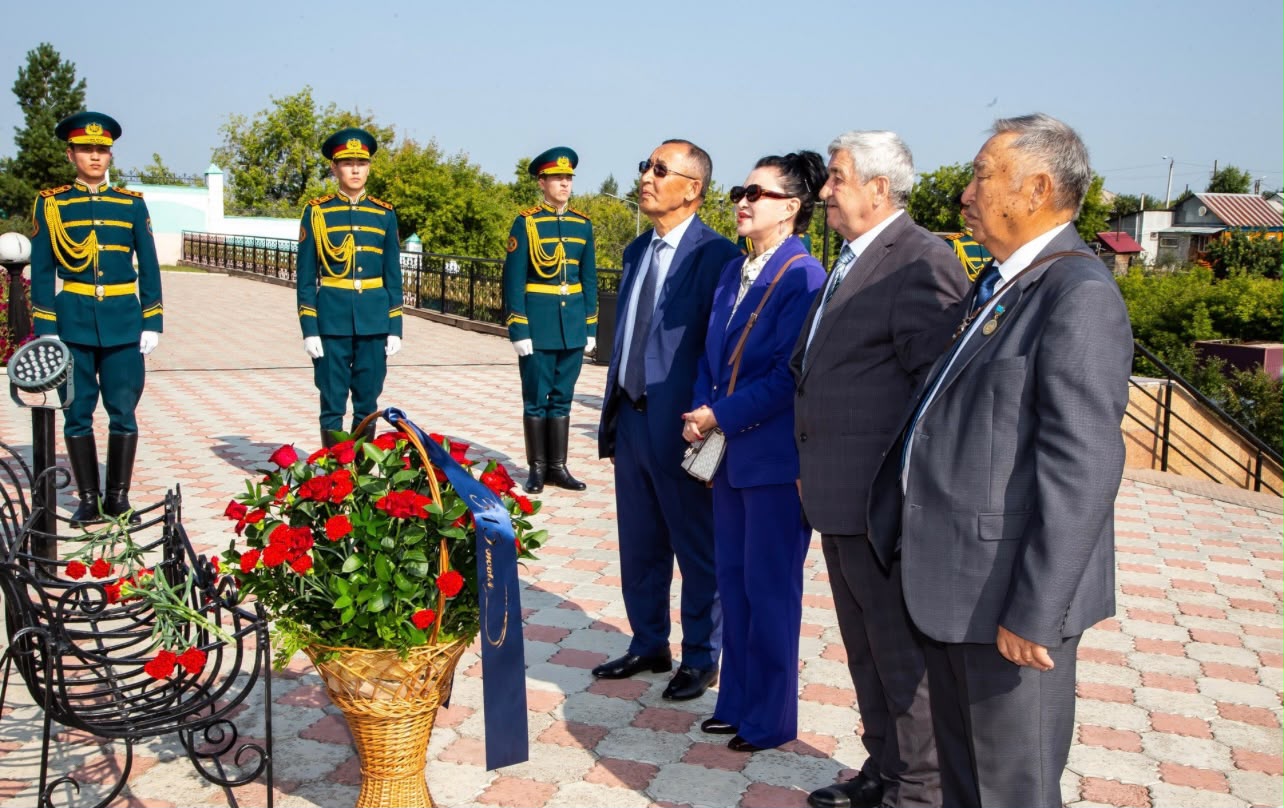
During the commemorative ceremony, participants paid tribute to the monument to Abylai Khan, honoring the memory of this outstanding figure in the history of the Kazakh people. The wreath-laying ceremony became a symbolic expression of respect for Abylai Khan’s historical contribution to strengthening national unity and Kazakh statehood, as well as a way of preserving and passing on to future generations the legacy of his exemplary life and commitment to statehood.
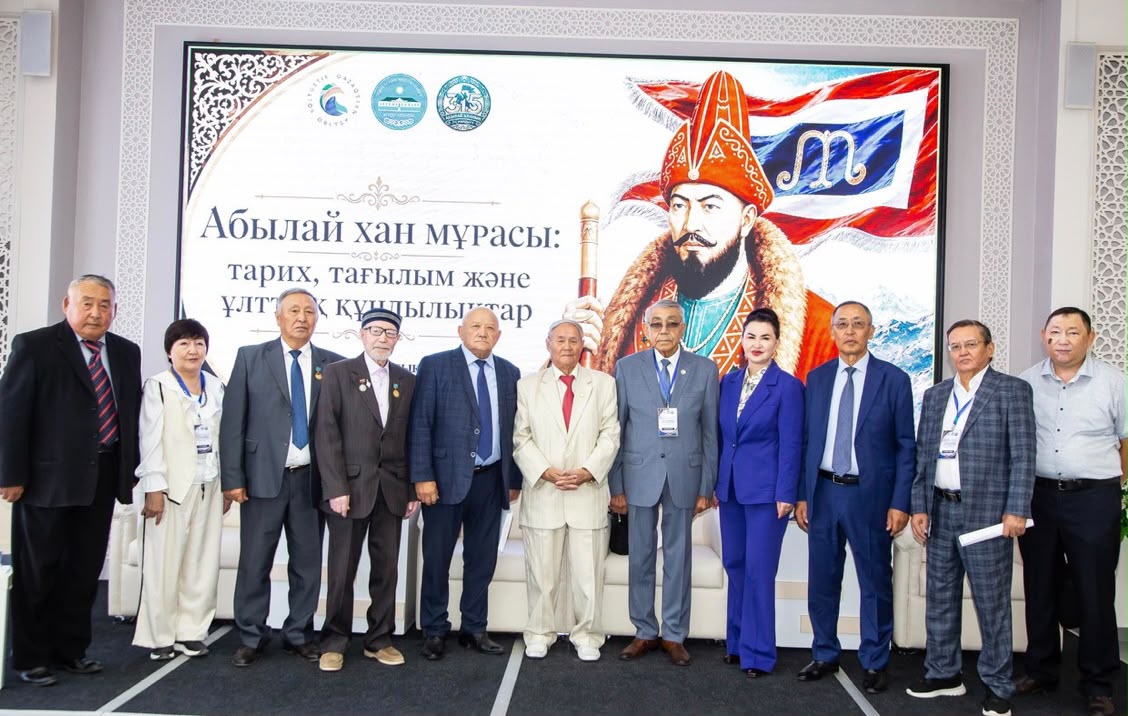
As part of the commemorative events, an International Scientific and Practical Conference entitled «The Legacy of Abylai Khan: History, Lessons and National Values» was held. The conference provided a comprehensive examination of the historical figure of the great khan and his role in the formation and development of Kazakh statehood.
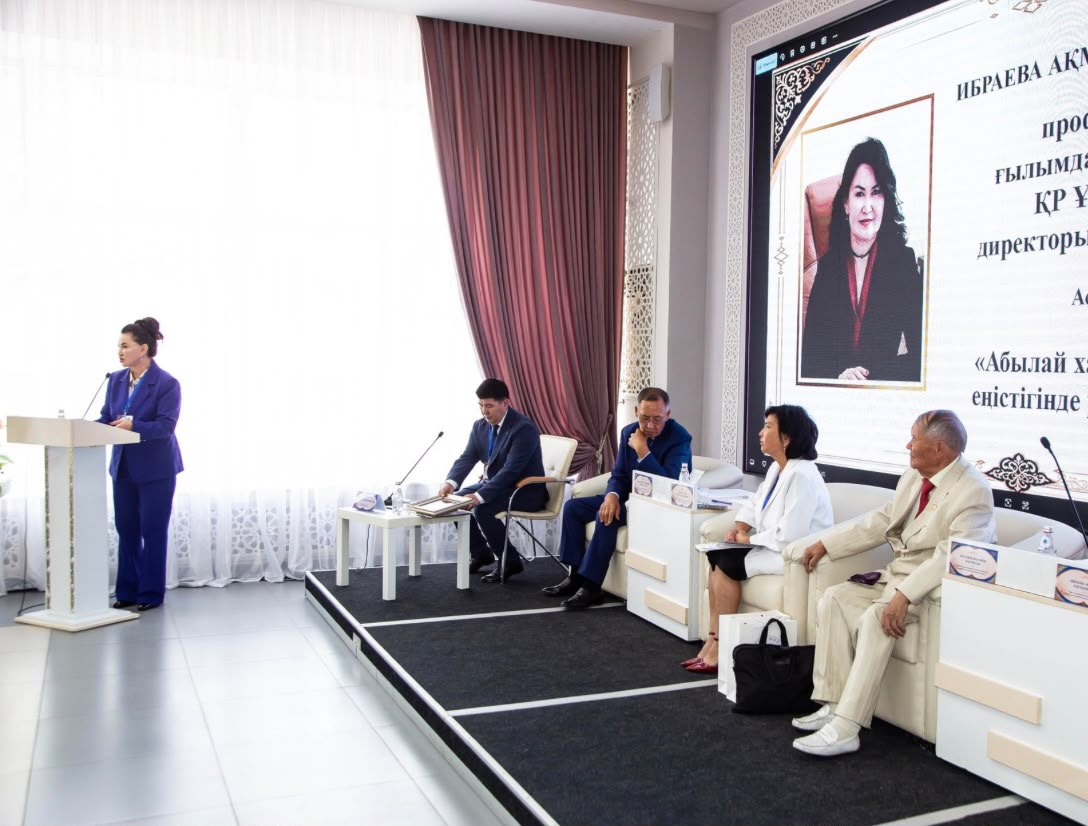
The conference was attended by Akmaral Ibrayeva, Deputy Director of the National Museum of the Republic of Kazakhstan, Professor and Doctor of Historical Sciences, who delivered an insightful presentation entitled «Representing the Personality of Abylai Khan in the Museum Space». In her presentation, the scholar highlighted the academic, educational, and cultural significance of presenting and promoting Abylai Khan’s historical legacy within the museum environment. She also presented valuable artifacts from the National Museum’s collections associated with the era of Abylai Khan, including Abylai Khan’s chapan, an anthropological reconstruction of the khan, a replica of his seal ring, and other items. She emphasized the importance of making these historical artifacts accessible to the public through museum exhibitions and exhibition projects. Noting that museum artifacts provide an opportunity to understand and interpret a historical period on the basis of concrete evidence, the scholar also placed particular emphasis on the need to explore the image and legacy of this great historical figure in new ways through contemporary museum tools and technologies.